
OnlyFans subscription cancellation is not an instant switch, and understanding that gap between the request and the actual access expiration is the foundation of every smart departure decision. The platform runs on a prepaid billing model, which means you have already paid for the current period and the system lets that period finish. This article maps the exact sequence, the timing windows that waste or save money, and the access rights you keep after your departure date passes.
The core promise here is simple: by the end of this page, you will know precisely when your access dies, when your billing stops, and which departure windows give you the most value for money already spent.

How OnlyFans Processes Cancellation Requests
When you toggle off the auto-renew switch, you are telling the billing system not to attempt another charge when the current paid period expires. The system acknowledges that instruction and leaves your access flag active until the period you already paid for runs out.

The visible effect is that your subscription card often still shows an active subscription status until the renewal date passes, even though you have already cancelled.
The processing sequence follows four distinct stages, and knowing them removes most of the guesswork:
- User submission: you disable auto-renew from the subscription management screen. The platform records the request against your account and the creator’s page.
- System processing: the platform confirms the change, usually within minutes. The confirmation does not revoke access — it only flags that no further charge should be attempted.
- Billing system notification: the payment layer receives the flag and stops scheduling the next charge for that subscription.
- Access flagging: your access remains open until the current paid period reaches its end date, at which point the platform closes it automatically.
One practical consequence: if you cancel on day two of a thirty-day cycle, you keep twenty-eight days of access. The money is already spent in both cases, so the only variable is how much of the paid window you actually use.
Billing Cycle Edges and Optimal Departure Windows
Because access lasts until the paid period ends, the timing question is really about extracting maximum value from money already committed. Three scenarios cover almost every subscriber’s situation. Cancelling immediately after a charge wastes nothing but locks in your exit — you keep the entire month. Cancelling right before renewal is the only window where timing changes what you actually pay.
The decision matrix below shows how the same click produces different outcomes depending on where you are in the cycle.
| Cancellation Timing | Billing Outcome | Access Duration |
|---|---|---|
| Immediately after charge | No further charge; current period already paid | Full remaining cycle (up to 30 days) |
| Mid-cycle | No further charge; no refund of current period | Remaining days until period end |
| Days before renewal | Prevents next charge if processed in time | Ends on the original period end date |
The three timing scenarios below summarise when your choice actually moves money:
- Wastes money: cancelling and then abandoning the page entirely. You paid for days you never used.
- Saves money: cancelling a few days before renewal when you no longer want the next month.
- Preserves maximum value: cancelling right after a charge and using the full remaining cycle before exit.
Paid subscriptions on the platform run from $4.99 at the minimum to $49.99 at the maximum, with most pages clustering between $5 and $10. At those prices, a wasted half-cycle is a small loss, but across several subscriptions it compounds. The discipline of cancelling early and using the remaining days fully is the cheapest exit strategy available.
Auto-Renew Mechanics That Complicate Exit Timing
Auto-renew is the mechanism that turns a subscription from a one-off purchase into a recurring charge. If the toggle is still on at that moment, the charge goes through and your access extends.
The edge cases below are where subscribers get surprised by a charge they believed they had prevented:
- Cancelling on the renewal date itself: if the charge processes before your cancellation reaches the billing layer, the new period is paid and you are committed for another cycle.
- Cancelling with an expired card on file: the renewal attempt may fail, but the platform can retry, and some banks approve the retry after a temporary hold clears.
- Multiple overlapping subscriptions: cancelling one page does not touch another, and it is easy to lose track of which toggle belongs to which creator.
- Price changes mid-cycle: when a creator raises the price, auto-renew stops on its own and your existing access lasts only until the paid period ends.
Tip: cancel at least 48 hours before the renewal date. The extra buffer absorbs processing delays and prevents a charge landing while your request is still in transit through the billing layer.
That price-change rule is the one auto-renew behaviour most subscribers never learn until it happens to them. A creator raising a subscription from $9.99 to $19.99 does not silently bill you the higher amount with auto-renew intact. You then face a fresh decision at the new price rather than an automatic upgrade.

Content Preservation After Access Lapses
When your access flag closes, the feed and the messages attached to that subscription stop being reachable. Feed posts, archived media, and the conversation thread with the creator all sit behind the paywall. Re-subscribing later restores them, but nothing is downloadable in the meantime unless you saved it while active.
Purchased content behaves differently from subscription content, and the distinction matters for anyone planning a clean exit.
| Content Type | Access Status Post-Cancellation | Recovery Path |
|---|---|---|
| Feed posts and media | Locked once the paid period ends | Re-subscribe to the same page |
| PPV purchases (up to $50 per unlock) | Usually tied to active subscription status | Re-subscribe and check the message thread |
| Direct messages | Become unreadable after access closes | Re-subscribe to reopen the thread |
| Tip and payment history | Stays in your account records | Visible in your own transaction history |
The safe assumption is that anything behind the paywall requires an active subscription, with your own billing records as the only permanent artefact. Paid chat commonly runs $3 to $5 per message and tips can reach $100, so build the habit of saving anything you paid for before the period closes.

BestOnlyFans Renewal Calendar Integration
Subscribers find creators through third-party comparisons, and those comparisons usually stamp each card with a date. That date is more useful than it looks — it tells you when the page’s terms were last reviewed. If you are planning a departure, use those date stamps as a planning tool rather than reading them as decoration.
A stale card may describe a page that has since changed its pricing or gone quiet. Our own ranking methodology at BestOnlyFans treats date stamps as a core field, because renewal decisions depend on whether the value proposition still matches what you originally paid for. Before renewal, check three things on any card: the stamped date, the listed price tier, and whether the page is marked as a paid or free page.
Free pages set price to $0 and earn through pay-per-view messages and tips, which changes the exit calculation entirely. This is also where the broader question of whether a subscription earns its keep becomes practical rather than philosophical. If you are weighing a renewal against your budget, this breakdown of is onlyfans really worth it frames the decision around value received rather than habit.
Re-Entry Economics for Lapsed Subscribers
Leaving and returning is rarely free, and the costs fall into three predictable buckets.
- Lost grandfathered pricing: if the creator raised prices after you left, you return at the new rate, not the rate you originally paid.
- Promotional eligibility resets: first-month discounts, sometimes as low as $3, are typically reserved for new or lapsed subscribers — but not every page offers them again.
- Rebuilding access costs: any pay-per-view content you want to revisit may require fresh unlocks, because PPV purchases can be tied to active subscription status.
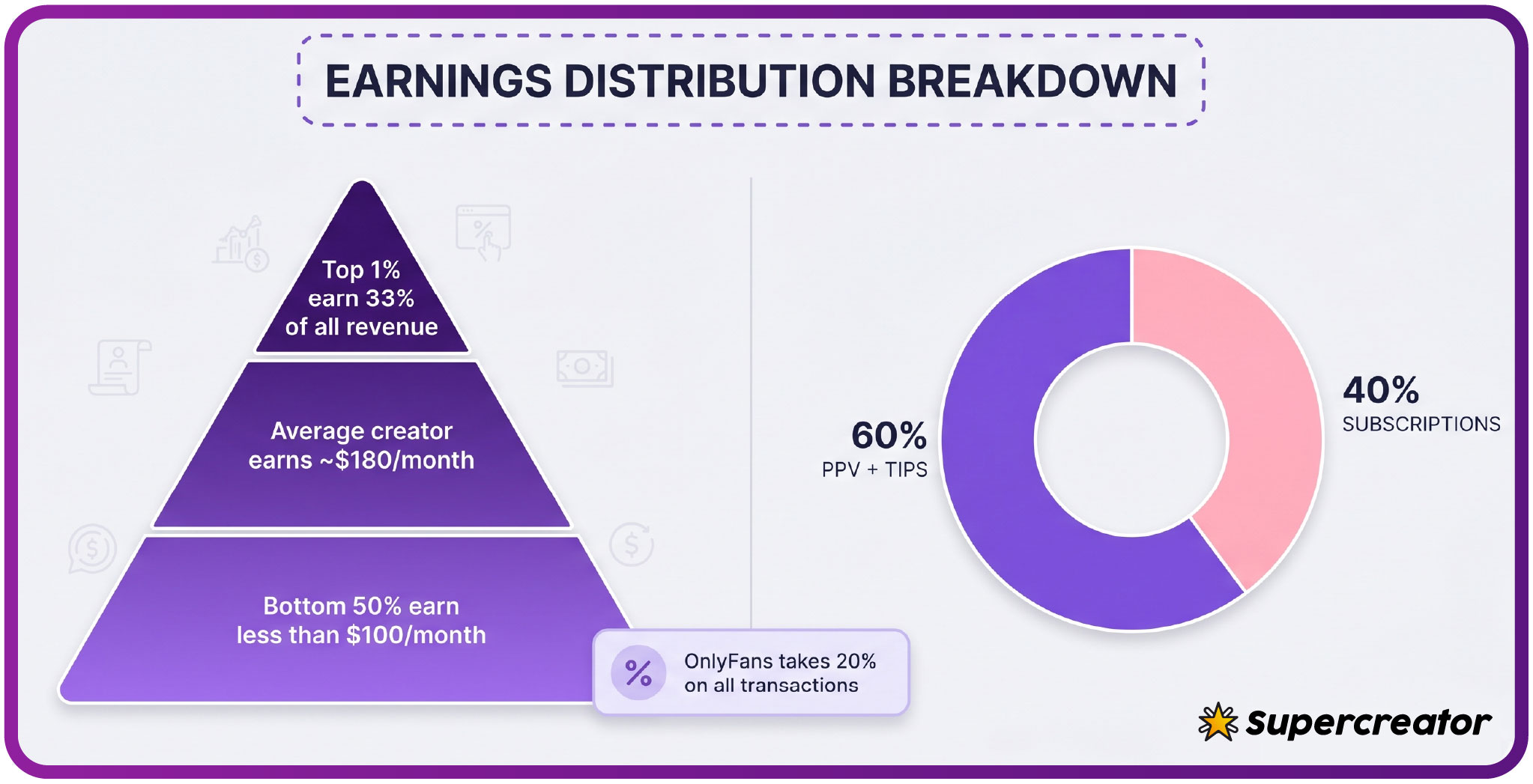
The platform takes a 20% fee on everything and the creator keeps 80%, which means creators set their own entry prices within the $4.99 to $49.99 band. Returning subscribers are effectively new customers from a pricing standpoint, and the promotional rate you enjoyed at signup may not return with you.

Common Departure Timing Errors to Avoid
Most bad exits come from a single misunderstanding: subscribers assume cancellation is a switch that cuts access instantly. It is not.
- Assuming cancellation is immediate: access continues until the paid period ends, so cancelling early costs you nothing.
- Assuming the card stays charged: once the toggle is off, the next charge does not occur — but only if the request processes before the renewal attempt.
- Assuming mid-cycle refunds exist: the platform does not prorate the current period. You paid for the window; you keep the window.
- Assuming all subscriptions cancel together: each creator’s subscription is managed separately, so each toggle needs individual attention.
- Assuming purchased content survives on its own: PPV unlocks and message threads usually depend on an active subscription, so export or save before the period closes.
One more caution applies to accounts rather than timing. Payment details, saved cards, and login credentials are worth protecting with the same care you apply to any financial account. If you receive a message asking you to re-enter card details through a link, treat it as a phishing attempt — genuine billing happens inside the platform, never through unsolicited messages. Turning on two-factor authentication in your account settings is the cheapest protection available against that class of problem.
FAQ
If I cancel immediately after my card is charged, do I still get the full month?
Your access runs to the original period end date, giving you the full remaining cycle you already paid for.
Can I cancel Auto-Renew without losing instant access to current content?
Yes. Disabling auto-renew does not revoke access. The feed, messages, and purchased content remain reachable until the paid period expires, at which point the access flag closes automatically.
Does OnlyFans prorate refunds if I cancel mid-cycle after a price change?
A price change instead stops auto-renew on its own and lets your existing access run until the paid period ends.
How quickly does BestOnlyFans update its ranking data when creators modify subscription terms?
Cards are refreshed on a review cycle, so recently stamped pages reflect current pricing and cadence. Treat the stamped date as your signal for how fresh the listed terms are before you plan a renewal or exit.